
Critical PHP Security Vulnerabilities in 2026: What German Website Owners Need to Know
Website security has become a major concern for businesses that depend on their online presence. From company websites to e-commerce stores, a security vulnerability can put business data, customer information, and daily operations at risk.
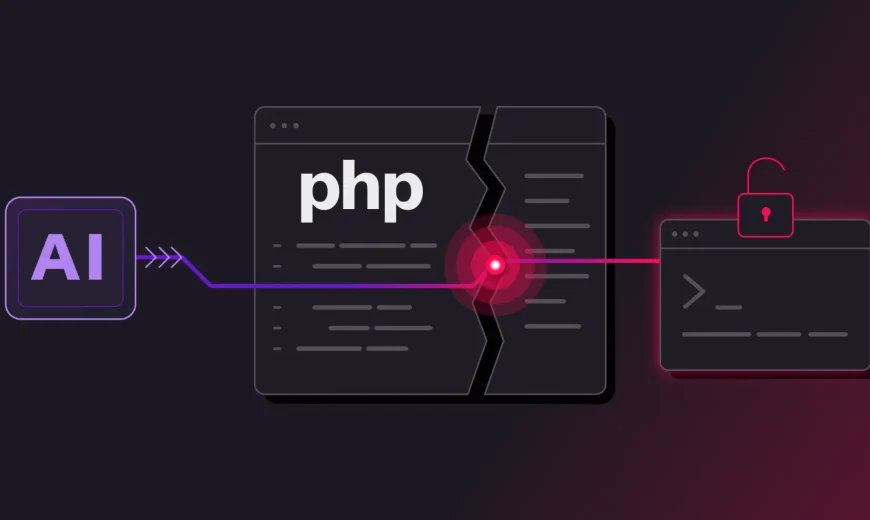
In October 2026, two critical security vulnerabilities in PHP attracted international attention. Known collectively as PHP2Shell, these vulnerabilities could allow attackers to execute malicious code remotely on affected servers without authentication.
Germany’s Federal Office for Information Security (BSI) issued a warning about the vulnerabilities and recommended prompt security updates.
For German businesses running WordPress websites, online shops, or custom PHP applications, understanding this issue is an important step toward protecting their digital infrastructure.
What Is the PHP2Shell Vulnerability?
PHP2Shell refers to two critical vulnerabilities identified as:
- CVE-2026-109618
- CVE-2026-109619
Both vulnerabilities involve memory-management problems in the PHP runtime. Under certain conditions, attackers can exploit these flaws by sending specially crafted requests to a vulnerable server.
The potential result is remote code execution (RCE). This means an attacker could run malicious code on an affected system without first logging in.
Both vulnerabilities received a CVSS 4.0 severity score of 9.2 out of 10.
The important point for website owners is that these vulnerabilities affect PHP itself. Updating WordPress, a theme, or a plugin alone does not resolve an unpatched PHP runtime.
Why Is PHP2Shell Important for Businesses in Germany?
Germany has a large business ecosystem that relies on websites, online services, and digital platforms. Small and medium-sized enterprises use their websites to attract customers, manage enquiries, sell products, and support existing clients.
A vulnerable PHP environment can put these operations at risk.
Potential consequences include:
- Website compromise: Attackers may execute malicious code on a vulnerable server.
- Customer data exposure: Information accessible to the compromised process may be at risk.
- E-commerce disruption: An incident could affect online orders, checkout functions, or website availability.
- Business interruption: Security investigations and recovery may require technical resources and downtime.
- Further network attacks: A compromised server may provide an entry point for additional malicious activity.
These outcomes are potential risks, not evidence that every vulnerable website has been compromised.
For German businesses, the appropriate response is to verify their systems and apply the relevant security updates without delay.
What Has Germany’s BSI Recommended?
Germany’s Federal Office for Information Security (BSI) published a security warning concerning the PHP vulnerabilities on October 21, 2026.
The warning highlighted the severity of the flaws and the risk of remote code execution. A proof of concept had also become publicly available, increasing the importance of timely remediation.
The recommended response is to identify affected PHP installations and install the appropriate security updates.
Businesses that cannot update immediately should follow the official advisory’s interim guidance rather than leaving vulnerable, internet-facing applications exposed.
Read the German cybersecurity portal’s report on the PHP vulnerabilities and the official BSI announcement on LinkedIn.
Which PHP Versions Need to Be Updated?
The PHP development team released fixes for the following branches on October 21, 2026.
| PHP branch | Fixed release |
|---|---|
| PHP 8.5 | 8.5.12 |
| PHP 8.4 | 8.4.27 |
| PHP 8.3 | 8.3.36 |
| PHP 8.2 | 8.2.35 |
Install the appropriate patched version for your environment. If you use an older PHP branch, check whether your operating system vendor or hosting provider supplies a security backport. Otherwise, plan a migration to a supported release.
The displayed PHP version alone may not tell the full story if a vendor has backported security fixes.
You can consult the official PHP security announcements for technical details and release information.
How Can German Website Owners Protect Their Websites?
Website owners should take the following steps to reduce their exposure to PHP2Shell.
1. Check Your PHP Environment
Identify which PHP version your website uses. You can usually find this information in your hosting control panel or by contacting your hosting provider.
If your business operates multiple websites, check each hosting environment separately.
Remember that PHP may also run in containers, server applications, and third-party software.
2. Apply the Security Updates
Update affected PHP installations to the appropriate fixed release.
If you use managed hosting, ask your provider to confirm that the relevant patch has been applied. If you manage your own server, arrange the update and restart the relevant PHP service where required.
Test your website after the update to identify any compatibility problems.
3. Secure Your WordPress Website
WordPress websites rely on PHP, making server-level security important.
Website owners should also:
- Update WordPress core, themes, and plugins.
- Remove unused plugins and themes.
- Use strong passwords and secure administrator accounts.
- Maintain regular backups of website files and databases.
- Review file permissions and server access controls.
These measures improve overall security, but they do not replace the PHP security patch.
4. Review Server Logs and Security Alerts
If you suspect an attack, examine available web server, application, authentication, and endpoint logs.
Look for unexpected processes, unfamiliar files, unusual outbound connections, or unexplained administrator accounts.
If you find evidence of compromise, involve a qualified security professional. Preserve relevant logs and investigate the incident before assuming that installing a patch has resolved every issue.
5. Check Third-Party Applications and Hosting Services
Some products include PHP components even when users do not directly manage PHP.
Ask your hosting provider and software vendors whether their products are affected and whether updates are available.
This is especially important for businesses using older applications, containers, or managed platforms.
Is PHP2Shell Only a WordPress Security Issue?
No. PHP2Shell is a vulnerability in the PHP runtime, not a flaw limited to WordPress.
It can affect different applications and services that run vulnerable PHP versions, depending on their configuration.
This includes custom PHP websites, online shops, content management systems, and other PHP-based applications.
A website can therefore remain exposed even when its application code is up to date. The security of the underlying runtime must also be checked.
Why Regular Website Maintenance Matters
Security updates are only one part of keeping a business website reliable.
Regular maintenance helps businesses identify outdated software, compatibility issues, configuration weaknesses, and suspicious activity.
A structured website maintenance plan should include:
- PHP and application security updates.
- Regular backups and recovery testing.
- Website performance checks.
- Security monitoring and access reviews.
- Compatibility testing after updates.
- Technical support when unexpected issues occur.
For German businesses, having a clear process for managing website updates can help reduce avoidable security risks and downtime.
How D9Art Can Help
Businesses need websites that remain functional, secure, and reliable as technology changes.
D9Art can use this opportunity to educate German website owners about the importance of website maintenance and responsible security practices.
If your business website runs on WordPress or another PHP-based platform, review your hosting environment and confirm that the appropriate security updates have been installed.
Need support with your business website? Contact D9Art to discuss your website maintenance and technical requirements.
Frequently Asked Questions
What is the PHP2Shell vulnerability?
PHP2Shell is the name used for two critical PHP vulnerabilities, CVE-2026-109618 and CVE-2026-109619, that could allow unauthenticated remote code execution on affected servers.
Did Germany’s BSI issue a warning about PHP2Shell?
Yes. Germany’s Federal Office for Information Security issued a warning on October 21, 2026, highlighting the critical vulnerabilities and the need for security updates.
How can I check whether my website is affected?
Check your PHP runtime version and patch status. Contact your hosting provider if you do not manage the server yourself. Also check any third-party software that bundles PHP.
Is updating WordPress enough to fix PHP2Shell?
No. Updating WordPress core and its plugins does not automatically patch the PHP runtime. The server’s PHP installation must also receive the appropriate security fix.
What should I do if I cannot update PHP immediately?
Contact your hosting provider or technical team. Follow the official security advisory’s mitigation guidance and consider isolating vulnerable, internet-facing applications until the patch is applied.
Can an updated website still be vulnerable?
Yes. A website may have updated application code but still use a vulnerable PHP runtime. Security checks should cover both the application and the environment in which it runs.
Conclusion
The PHP2Shell security alert is a reminder that website security depends on more than application updates alone. Businesses must also keep the underlying technologies that power their websites secure.
German website owners should identify their PHP installations, confirm the patch status, and address any outstanding vulnerabilities promptly.
By combining timely security updates with regular maintenance and monitoring, businesses can reduce their exposure to attacks and build a more resilient online presence.